Expert Techniques Perfect Results Pro Tips

Plantain Cooking Tips & Techniques

Master the art of cooking plantains with essential techniques and expert tips. Learn how to achieve perfect tostones, caramelized maduros, and delicious plantain dishes every time with frying, baking, boiling, and air-frying methods.

Essential Plantain Cooking Tips

Master these fundamental techniques for perfect plantains every time.

Understanding Ripeness & Flavor

Cooking plantains well starts with knowing how ripeness affects flavor and texture. Firm, green plantains are high in starch and behave more like potatoes, making them ideal for savory dishes such as tostones, chips, boiled sides, or mashed plantain. As they ripen from green to yellow and then to black-speckled, the starch converts to sugar, turning them soft and sweet.

Preparation & Peeling Techniques

When prepping, trim the ends, score the skin lengthwise, and peel it off; green plantains often need a little help from the knife to loosen the peel, while ripe ones will slide out more like a banana. This simple prep step makes every cooking method—fried, baked, boiled, or grilled—faster and more efficient.

Heat Control & Frying Mastery

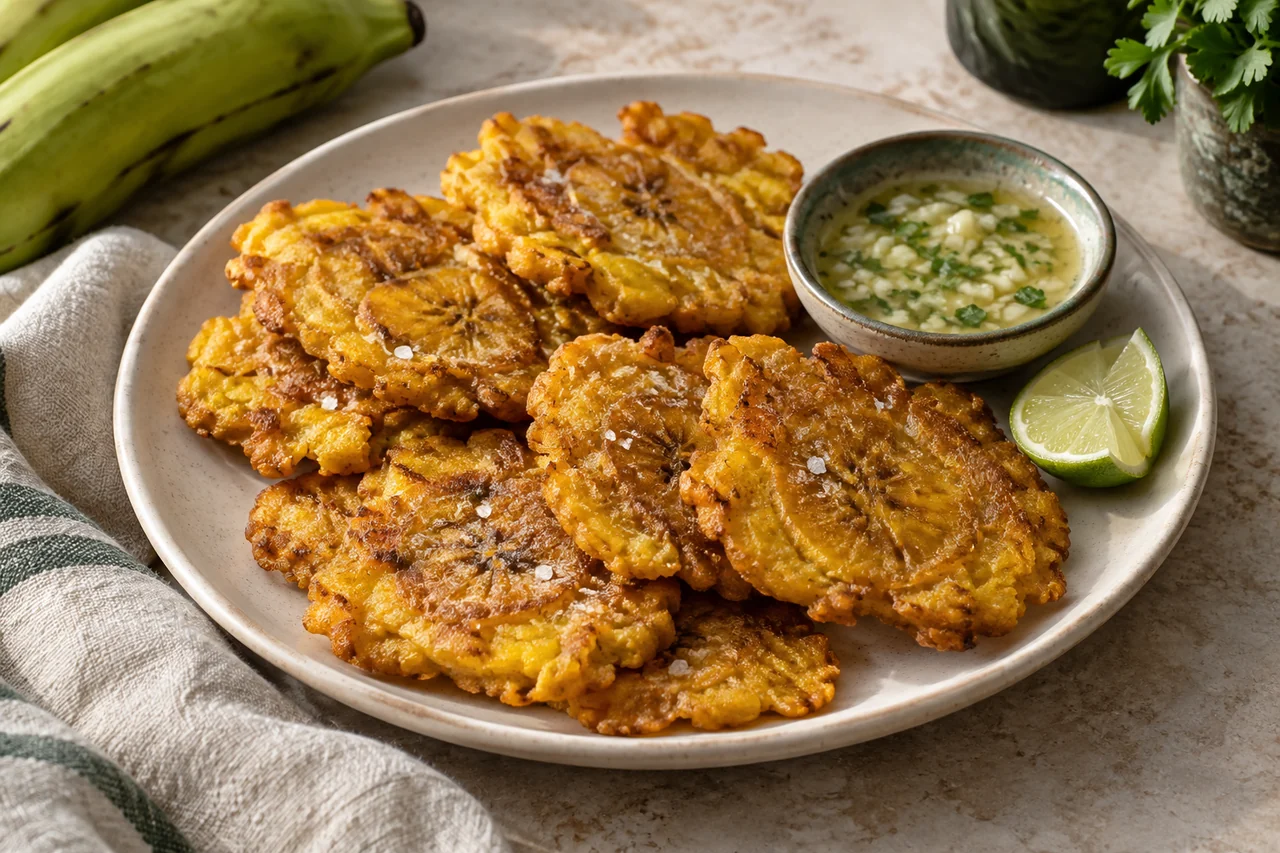
Heat control and spacing are everything when frying. Whether you're making crispy tostones from green plantains or sweet maduros from ripe ones, use hot but not smoking oil and avoid crowding the pan so each slice browns evenly. Let the slices sizzle, flip once they're golden, then drain on paper towels; season while they're still hot so the salt sticks and the texture stays crisp.

Healthier Cooking Methods

For healthier plantain recipes, highlight roasting or air-frying: toss sliced plantains with just a touch of oil and your favorite seasonings, then roast or air-fry until the edges are browned and the centers are tender. Boiling is another simple technique that works for both green and ripe stages—just simmer peeled chunks in salted water until fork-tender.

The Golden Rule for Perfect Plantains

The golden rule for perfect plantains is to match ripeness to method: green plantains for crunchy, starchy dishes and ripe plantains for sweet, soft, caramelized creations, ensuring your plantain cooking techniques deliver amazing results every time.

Seasoning & Flavor Enhancement

Don't be afraid to experiment with seasonings! While traditional plantain dishes often use just salt, you can enhance flavors with garlic powder, paprika, chili powder, cumin, or fresh herbs. For sweet plantains, try cinnamon, nutmeg, or a touch of brown sugar before baking or frying.

Plantain Cooking Methods

Detailed techniques for each cooking method to achieve perfect results.

Frying Plantains

For Tostones (Green Plantains):

  • Use very green, firm plantains
  • Slice into 1-inch thick rounds
  • First fry at 325°F (163°C) until pale yellow
  • Flatten while warm using a tostonera or flat surface
  • Second fry at 375°F (190°C) until golden and crispy
  • Drain on paper towels and salt immediately

For Maduros (Ripe Plantains):

  • Use very ripe, black-spotted plantains
  • Slice diagonally into thick pieces
  • Fry at 350°F (177°C) until caramelized
  • Don't overcrowd the pan
  • Flip once to brown both sides evenly

Baking & Roasting

For Healthier Options:

  • Preheat oven to 400°F (200°C)
  • Toss plantain slices with minimal oil
  • Spread in single layer on baking sheet
  • Bake 15-20 minutes, flipping halfway
  • For sweet plantains, add cinnamon or brown sugar
  • For crispy chips, slice very thin

Tips for Success:

  • Use parchment paper for easy cleanup
  • Don't overcrowd the baking sheet
  • Watch closely to prevent burning
  • Season immediately after baking

Boiling & Steaming

For Mashed Plantains (Mangú):

  • Use green plantains for savory dishes
  • Peel and cut into chunks
  • Boil in salted water until very tender
  • Reserve some cooking water for mashing
  • Mash with oil or butter and reserved water
  • Season to taste with salt

For Steamed Plantains:

  • Steam whole or sliced plantains
  • Preserves more nutrients than boiling
  • Great for baby food or soft diets
  • Steam until fork-tender

Air Frying & Grilling

Air Frying Tips:

  • Lightly spray with oil for crispiness
  • Cook at 375°F (190°C) for 10-15 minutes
  • Shake basket halfway through cooking
  • Perfect for plantain chips and fries
  • Much healthier than deep frying

Grilling Techniques:

  • Brush with oil to prevent sticking
  • Grill over medium heat
  • Great for ripe plantains
  • Adds smoky flavor
  • Perfect for summer barbecues

Troubleshooting Common Issues

Solutions for common plantain cooking problems.

Why are my fried plantains soggy?

Possible Causes:

  • Oil temperature too low
  • Overcrowding the pan
  • Not draining properly after frying
  • Plantains too ripe for frying method

Solutions:

  • Use a thermometer to maintain proper oil temperature
  • Fry in small batches
  • Drain on paper towels immediately
  • Use green plantains for crispy dishes

Why are my plantains burning?

Possible Causes:

  • Oil temperature too high
  • Plantains too ripe (high sugar content)
  • Thin slices cooking too quickly
  • Not watching closely enough

Solutions:

  • Reduce heat slightly
  • Use less ripe plantains for frying
  • Cut thicker slices
  • Stay attentive while cooking

Why are my tostones hard inside?

Possible Causes:

  • Plantains not cooked enough during first fry
  • Slices too thick
  • Not flattening properly
  • Second fry temperature too high

Solutions:

  • First fry until pale yellow and slightly soft
  • Cut consistent 1-inch slices
  • Flatten evenly to about ¼-inch thickness
  • Adjust second fry temperature

Why won't my plantains caramelize?

Possible Causes:

  • Plantains not ripe enough
  • Heat too low
  • Not enough surface contact
  • Cooking time too short

Solutions:

  • Use very ripe, black-spotted plantains
  • Increase heat slightly
  • Don't overcrowd the pan
  • Cook longer at lower temperature

Professional Tips & Advanced Techniques

Take your plantain cooking to the next level with these expert tips.

Soaking Technique: Some chefs soak sliced green plantains in salted water for 15-30 minutes before frying. This seasons them throughout and helps remove excess starch for crispier results.

Double-Frying Secret: For extra-crispy tostones, some traditional cooks actually triple-fry them: first fry to cook through, flatten, second fry to crisp, then a quick third fry at high temperature for maximum crunch.

Seasoning Layers: Season plantains at multiple stages - a light sprinkle of salt before cooking, and another after cooking while they're still hot and porous enough to absorb the flavor.

Oil Choice Matters: Use oils with high smoke points like avocado, peanut, or refined coconut oil for frying. Olive oil works well for baking or light sautéing.

Temperature Control: Invest in a kitchen thermometer. Perfect tostones require precise oil temperatures: 325°F for first fry, 375°F for second fry.

Ripening Hack: To speed up ripening, place plantains in a paper bag with an apple or banana. The ethylene gas will accelerate the process.

Freezing Prepared Plantains: You can freeze fried plantain slices on a baking sheet, then transfer to bags. Reheat in oven or air fryer to restore crispiness.

Creative Shapes: Try cutting plantains into different shapes - wedges for fries, thin rounds for chips, or creative cuts for presentation.

Flavor Infusions: Infuse your cooking oil with garlic, herbs, or spices before frying plantains for extra flavor depth.

Texture Control: For softer plantains, cook at lower temperatures for longer. For crispier results, use higher heat and ensure proper draining.

Cultural Variations: Explore different regional techniques - some cultures boil plantains before frying, others use specific pressing methods.