Cultural Heritage Traditional Cuisine Global Influence

Plantain Culture & History

Explore the rich cultural history of plantains across Latin America, Caribbean, and Africa. Discover traditional plantain dishes, cultural significance, and the fascinating journey of this versatile fruit through centuries of culinary heritage.

Cultural Significance of Plantains

Understanding the deep-rooted cultural importance of plantains across different societies.

Historical Journey

Plantains originated in Southeast Asia and were brought to Africa, then to the Caribbean and Latin America through the transatlantic slave trade and colonial expansion. This journey created a rich tapestry of cultural exchange and adaptation, making plantains a staple in many tropical regions worldwide.

Symbol of Resilience

In many Caribbean and Latin American cultures, plantains represent resilience and survival. They were a crucial food source during difficult times and became deeply embedded in cultural identity, representing the ability to thrive in challenging conditions and adapt to new environments.

Community & Family

Plantain preparation often involves family traditions passed down through generations. The process of making traditional dishes like tostones, maduros, or mofongo becomes a communal activity that strengthens family bonds and preserves cultural heritage.

Economic Importance

In many tropical countries, plantains are not just food but also an important economic crop. They provide livelihoods for farmers and are central to local markets and food systems, making them crucial for both cultural and economic sustainability.

Religious & Ceremonial Use

In some African and Afro-Caribbean traditions, plantains hold spiritual significance. They are used in religious ceremonies, offerings, and traditional healing practices, connecting the physical and spiritual worlds.

Cultural Identity Marker

Plantain dishes often serve as markers of cultural identity. The specific ways they're prepared and served can indicate regional origins, family heritage, and cultural affiliations within broader national identities.

Regional Plantain Traditions

Explore how different cultures have developed unique plantain traditions and dishes.

Caribbean Plantain Culture

Dominican Republic: Mangú (mashed plantains) is the national breakfast dish, traditionally served with "los tres golpes" (the three hits): fried cheese, salami, and eggs.

Puerto Rico: Mofongo (mashed fried plantains with garlic and pork cracklings) is a beloved national dish, often served in a pilón (wooden mortar).

Cuba: Plátanos maduros (sweet fried plantains) are a staple side dish, while tostones (fried green plantains) are popular street food.

Jamaica: Plantains are often boiled or fried and served with traditional dishes like ackee and saltfish.

Latin American Traditions

Colombia: Patacones (tostones) are served with hogao sauce, and maduros accompany many traditional meals.

Ecuador: Bolón de verde (green plantain dumplings) are a popular breakfast item, often stuffed with cheese or pork.

Peru: Chapo is a sweet plantain drink, while patacones are served with various dipping sauces.

Venezuela: Tajadas (fried plantain slices) are common street food, and plantains are used in hallacas (traditional Christmas tamales).

African Plantain Heritage

West Africa: Plantains are essential in countries like Ghana, Nigeria, and Cameroon, where they're boiled, fried, or roasted and served with stews and sauces.

East Africa: In Uganda and Tanzania, plantains (called matoke) are steamed in banana leaves and served as a staple carbohydrate.

Central Africa: Plantains are often pounded into fufu or served with peanut-based sauces and grilled meats.

Cultural Preservation: African plantain traditions were preserved and adapted in the Americas through the diaspora.

Global Plantain Influence

United States: Plantains have become popular in cities with Caribbean and Latin American communities, appearing in fusion cuisine and mainstream restaurants.

Europe: Plantain dishes are gaining popularity in cities with immigrant communities, introducing new audiences to traditional preparations.

Asia: While plantains originated in Southeast Asia, they're now being reintroduced in new forms through global culinary exchange.

Fusion Cuisine: Chefs worldwide are incorporating plantains into innovative dishes, blending traditional techniques with modern culinary trends.

Traditional Plantain Dishes

Iconic plantain dishes that represent cultural heritage and culinary traditions.

Mangú (Dominican Republic): Mashed boiled green plantains, traditionally served for breakfast with fried cheese, salami, and eggs. The dish represents Dominican identity and family traditions.

Mofongo (Puerto Rico): Mashed fried plantains mixed with garlic, olive oil, and pork cracklings, often served in a wooden mortar. A symbol of Puerto Rican resilience and creativity.

Tostones/Patacones (Various): Twice-fried green plantain slices, a staple across Latin America and the Caribbean with regional variations in seasoning and serving styles.

Maduros (Various): Sweet fried ripe plantains that caramelize naturally, representing the celebration of ripeness and sweetness in life.

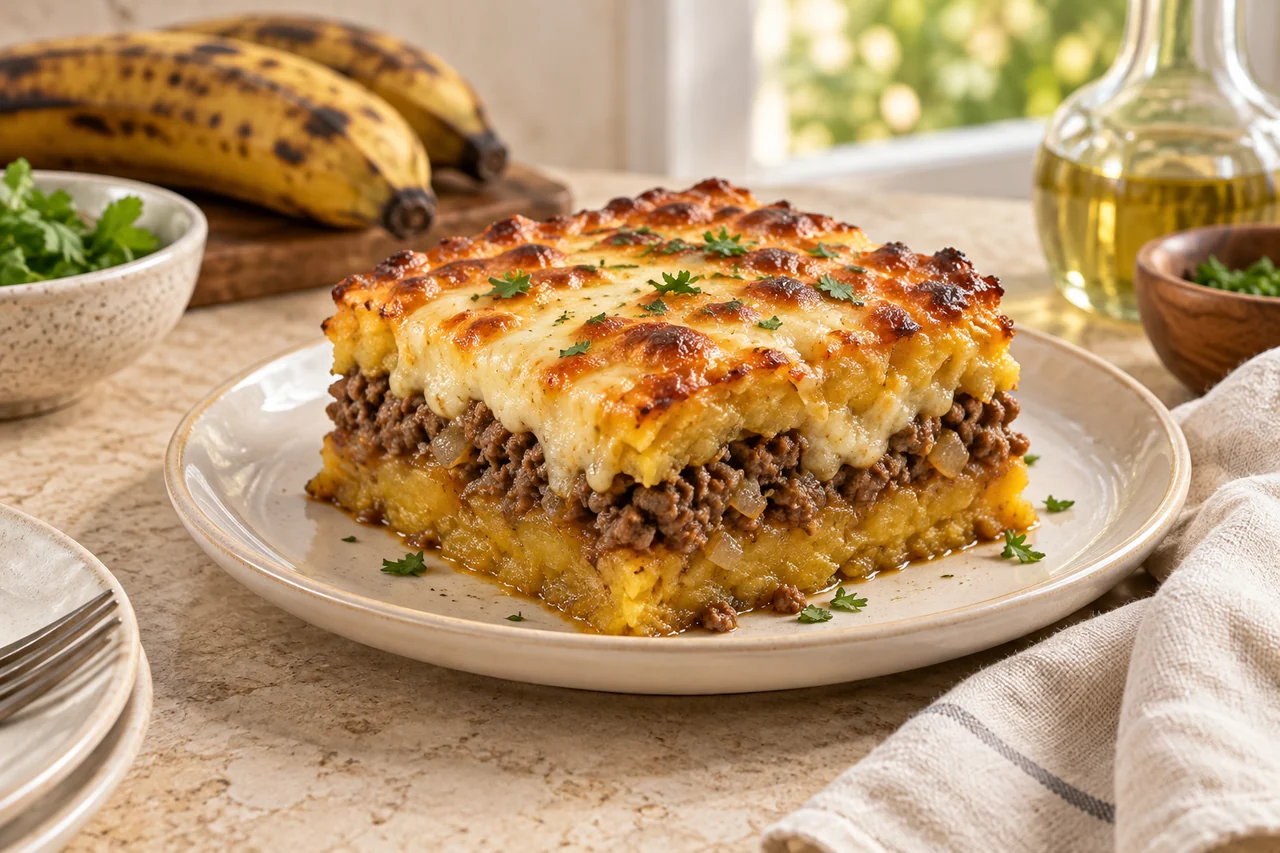
Pastelón (Puerto Rico/Dominican Republic): A plantain lasagna with layers of sweet plantains and seasoned ground meat, showcasing the fusion of indigenous, African, and Spanish influences.

Bolón de Verde (Ecuador): Green plantain dumplings typically stuffed with cheese or pork, representing Andean culinary innovation.

Plantain Chips (Global): Thinly sliced and fried plantains that have become a popular snack worldwide, demonstrating the global appeal of plantain cuisine.

Fufu (West Africa): Pounded plantains served with soups and stews, maintaining strong connections to African culinary heritage in the diaspora.

Cultural Preservation & Modern Relevance

How plantain traditions are preserved and evolving in contemporary society.

Oral Traditions & Family Recipes

Plantain cooking techniques and recipes are primarily preserved through oral traditions and family teachings. Grandmothers teaching grandchildren how to make traditional dishes ensures cultural continuity and preserves authentic flavors and methods.

Festivals & Celebrations

Plantain dishes are central to many cultural festivals and celebrations. From Christmas feasts to independence day celebrations, these dishes connect communities to their heritage and create shared cultural experiences.

Modern Adaptations

While traditional methods are preserved, plantain cuisine continues to evolve. Chefs are creating plantain-based vegan dishes, gluten-free alternatives, and fusion cuisine that respects tradition while embracing innovation.

Cultural Education

Cooking classes, cultural centers, and food blogs are helping preserve plantain traditions by documenting techniques, sharing stories, and teaching new generations about the cultural significance of these dishes.